What seven years inside Red Bull's marketing machine taught me about authenticity
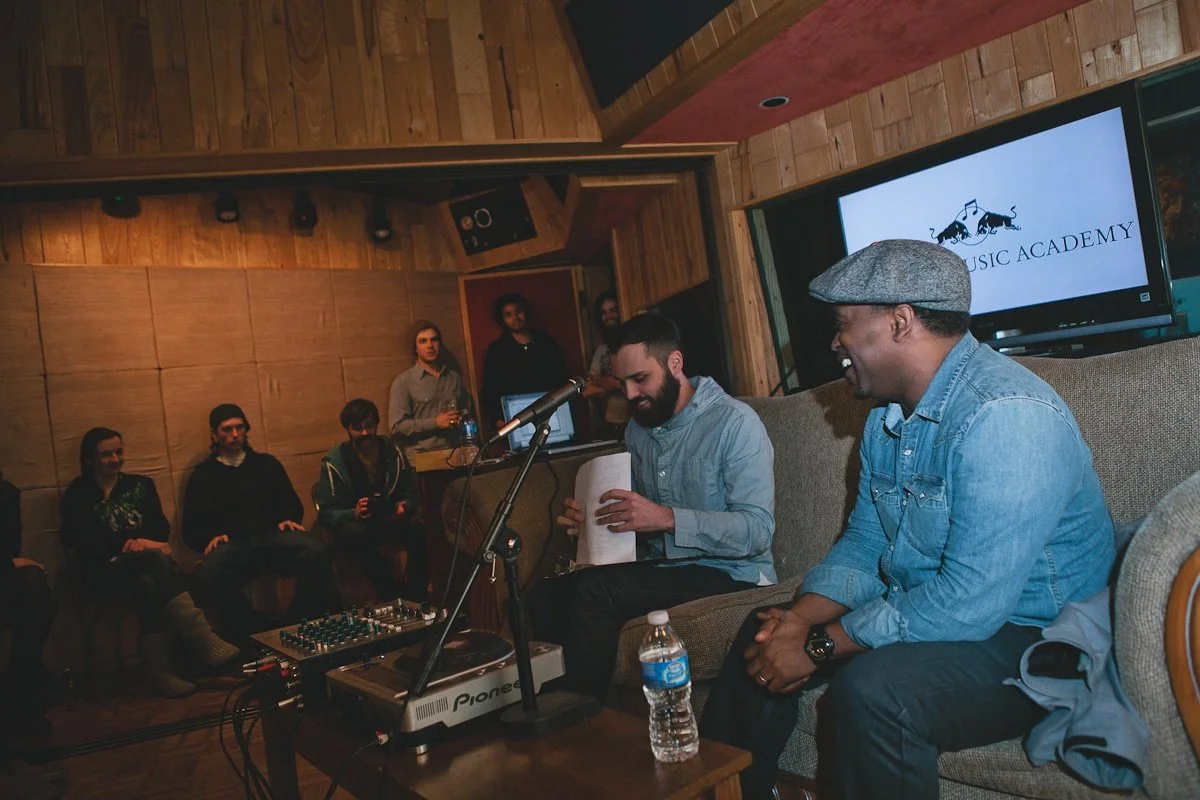
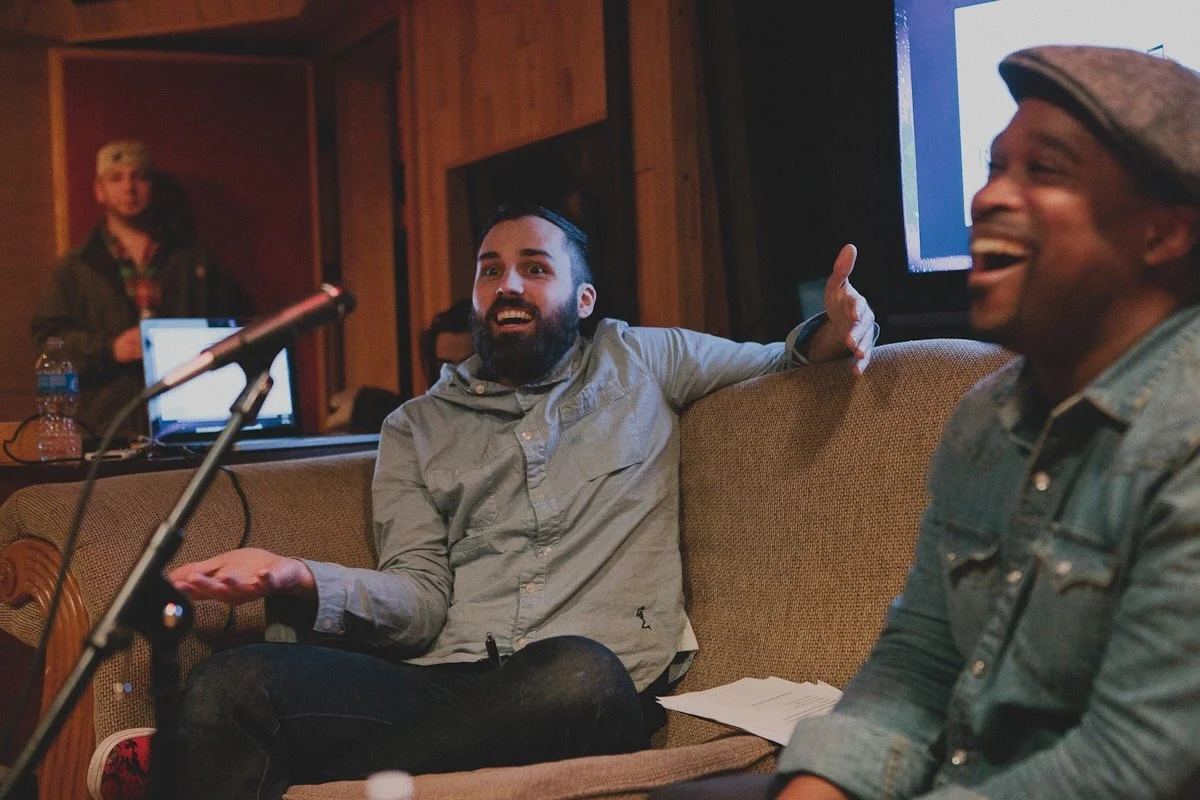
With DJ Spinna at Make Believe Studios, March 2012
From 2005 to 2012, I was a freelance contractor for Red Bull Music Academy (RBMA). I was one of the longest-running representatives in the program in North America. Here's what I learned — and why it still shapes how I think about marketing today.
I’m in Seattle in 2005. The city is in the midst of a cultural renaissance. I’m 20 years old, ready to take it all in. Just days away from turning 21 (the legal drinking age in America and the prerequisite for entry into nightclubs).
But that didn’t matter. I was getting snuck into places, staying at a 5-star hotel, and . And Red Bull was paying for all of it.
But here's the thing — they didn’t want me to tell anyone that.
If you ask me when I learned that “Google Alerts” were a thing, I would tell you it was when I got rebuked by my local marketing manager for adding "sponsored by Red Bull" to my DJ bio.
I wasn't allowed to say that. No logos on the flyer. No "brought to you by” …
You gotta keep in mind, in 2005, this flew in the face of the playbook of every other brand.
I had to undo all the marketing lessons on brand partnerships I had witnessed up until that point. I called this era the great “un-marketing” lessons from Red Bull.
Internally, my role was called Mr. X. The title was a signal that I was affiliated with the brand. But that title remained a bit ambiguous. And that was the point.
Long before “authenticity” became a buzzword, they were writing the script. They invested years of relationship-building and seven-figure program budgets to get them.
And perhaps the most authentic thing they created was called the Red Bull Music Academy.
For 21 years (1998–2019), it functioned as a high-budget, "brand-agnostic" finishing school for underground musicians and producers. Some of the alumni included Flying Lotus, TOKiMONSTA, Aloe Blacc, Hudson Mohawke, Kaytranada, SOPHIE, and Black Coffee. It spun off a media company that became an incredibly important library of what happened in culture and music from the disco era on up.
In this school of thought, the cultural mission took priority over the product. And my job was to bring that vibe back to my markets (Omaha and Lincoln, Nebraska).
Red Bull’s scrappy strategies in the early years.
Before they had the budget for something like RBMA, here’s a quick one on how Red Bull scaled its brand …
In the mid-1990s, Red Bull didn't have the budget to compete with Coca-Cola and Pepsi on TV ads and billboards. So founder Dietrich Mateschitz did something that still gets studied in business schools: he made the brand look popular before it actually was.
Red Bull's team would leave empty cans in trash bins outside nightclubs, on college campuses, and in high-traffic social areas. Empty cans!
Whether intentional or not, Dietrich was doing what psychologists call the mere-exposure effect — when people see something repeatedly, they start to assume it's popular and develop a preference for it. Clubgoers and students would see crushed Red Bull cans everywhere and think, "Everyone's drinking this."
They went straight to college students and had them throw parties and pass out free cans. They drove iconic Mini Coopers with a giant Red Bull can strapped to the roof. And they’d go all over town passing out free cans to bartenders and DJs.
None of this was traditional.
And it worked. By the year 2000, Red Bull's sales in England alone hit 200 million cans — built almost entirely on grassroots buzz over media spend.
Traditional vs agnostic branding:
Traditional beverage marketing said: Plaster your logo on a billboard and buy a Super Bowl ad. Red Bull said: Put the product in the hands of tastemakers who will organically introduce it into their world. Let the audience discover you.
Traditional marketing said: Sponsor an event. Put your banner up. Get your logo in the photo. Red Bull said: Sponsorship is lame. Don't sponsor culture — make it.
Traditional marketing said: Control the message. Script the endorsement. Manage every touchpoint. Red Bull said: Give interesting people resources and autonomy. Let them do their thing. The authenticity of the output will outperform anything a creative agency could script.
Traditional marketing said: Maximise reach. Go broad. Get as many eyeballs as possible. Red Bull said: Go narrow and deep. Find the 200 people in a city who influence what the other 200,000 think is cool. Win those 200.
Traditional marketing said: The product is the hero. Red Bull said: The experience is the hero. The product just happens to be hanging around.
That last one is the key to understanding everything Red Bull did — and that’s what led us to RBMA.
The RBMA campaign format:
Most people only knew RBMA as a prestigious global music workshop. What they didn't see was the grassroots engine running underneath it. And most of it was the brainchild of the legendary agency Yadastar.
Here’s a look:
Red Bull had on-premise brand managers in every major and mid-tier American market. Their job was to sell cans. But they did it partly by identifying tastemakers — DJs, producers, promoters, musicians — people who were credible within their local music scenes and had real influence over what their communities paid attention to.
Once they found those people, they'd tap them to become RBMA representatives for the campaign season, which ran primarily in the spring. That's how I got recruited. They asked me to become a Mr. X.
Every year, Red Bull would fly all the North American representatives to a host city — I went to New Orleans, Atlanta, Seattle, Chicago, San Francisco, and Philadelphia over my seven years. At those gatherings, we'd meet DJs and promoters from across the continent. They'd brief us on the Academy, make sure we understood what a proper (read: non-corporate, non-exploitative) brand representation looked like, and they'd give us RBMA-style experiences by bringing in artists for performances and workshops.
Then we'd go back to our home markets and replicate that experience locally.
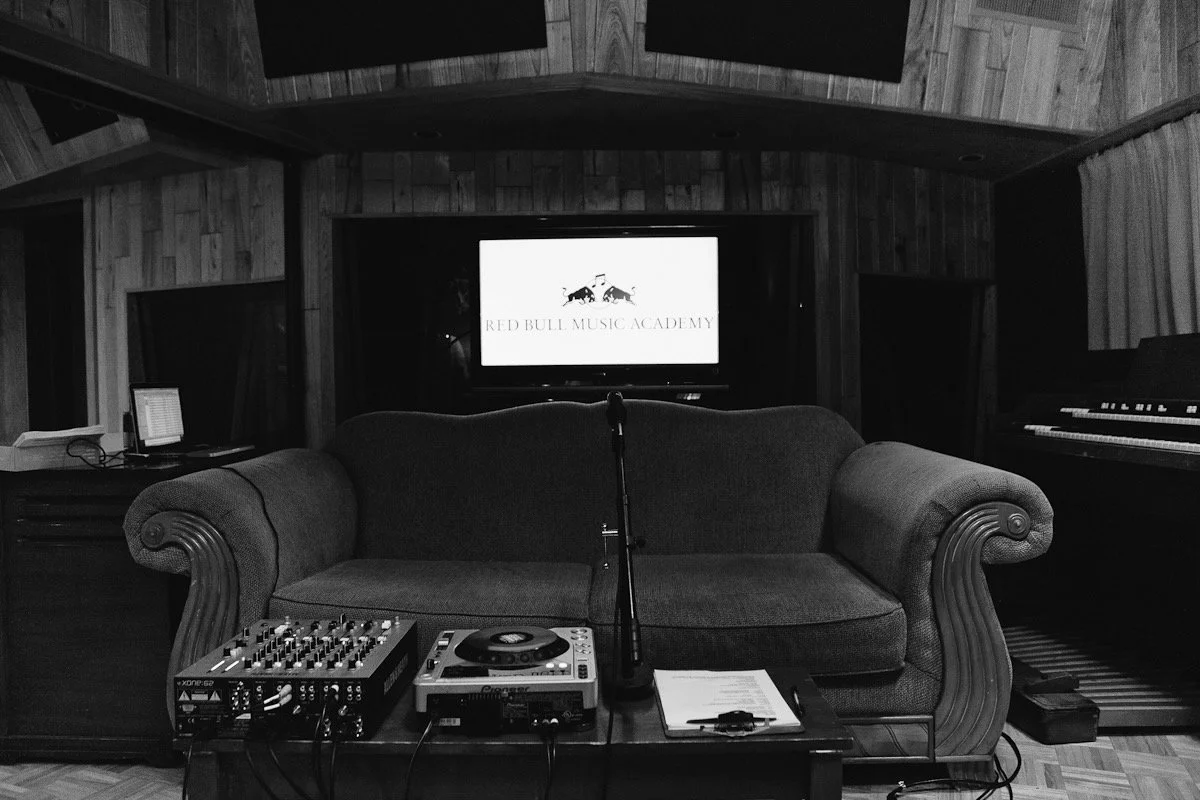
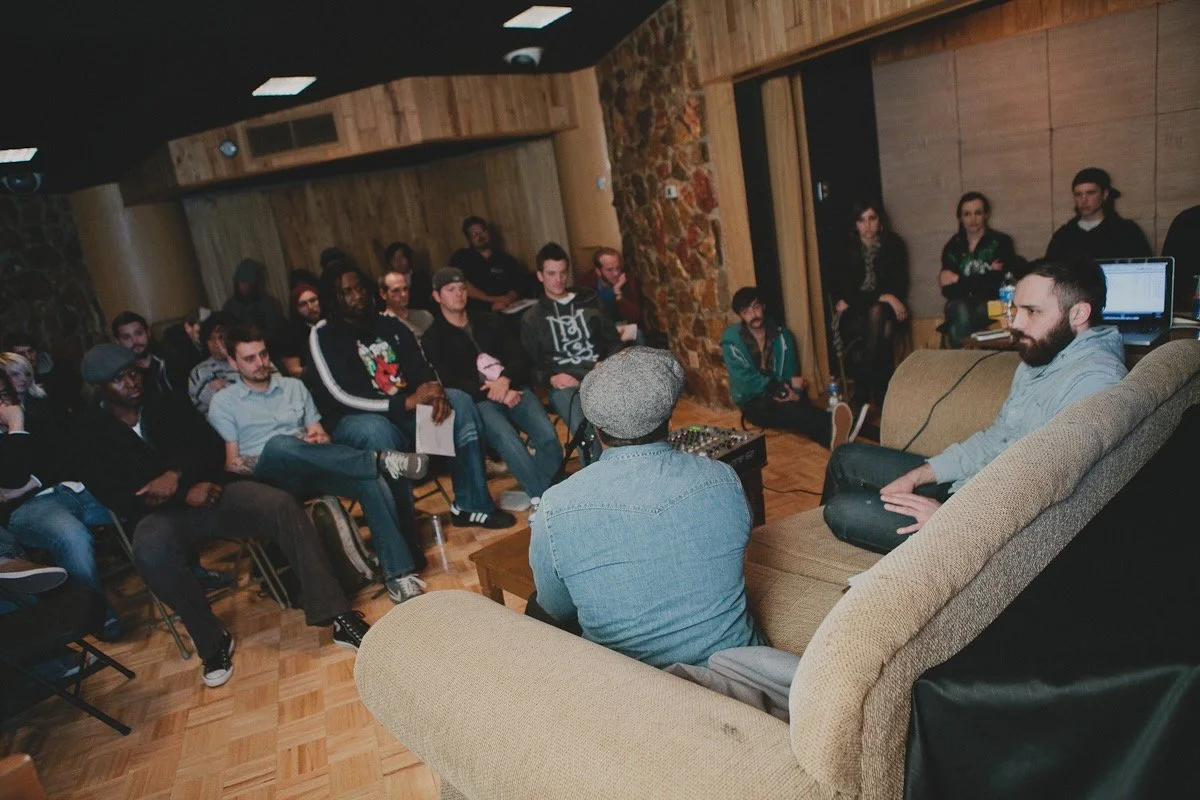
I had almost full autonomy. I chose which artists to bring in. I organised the events. I structured the programming. The format generally looked like this:
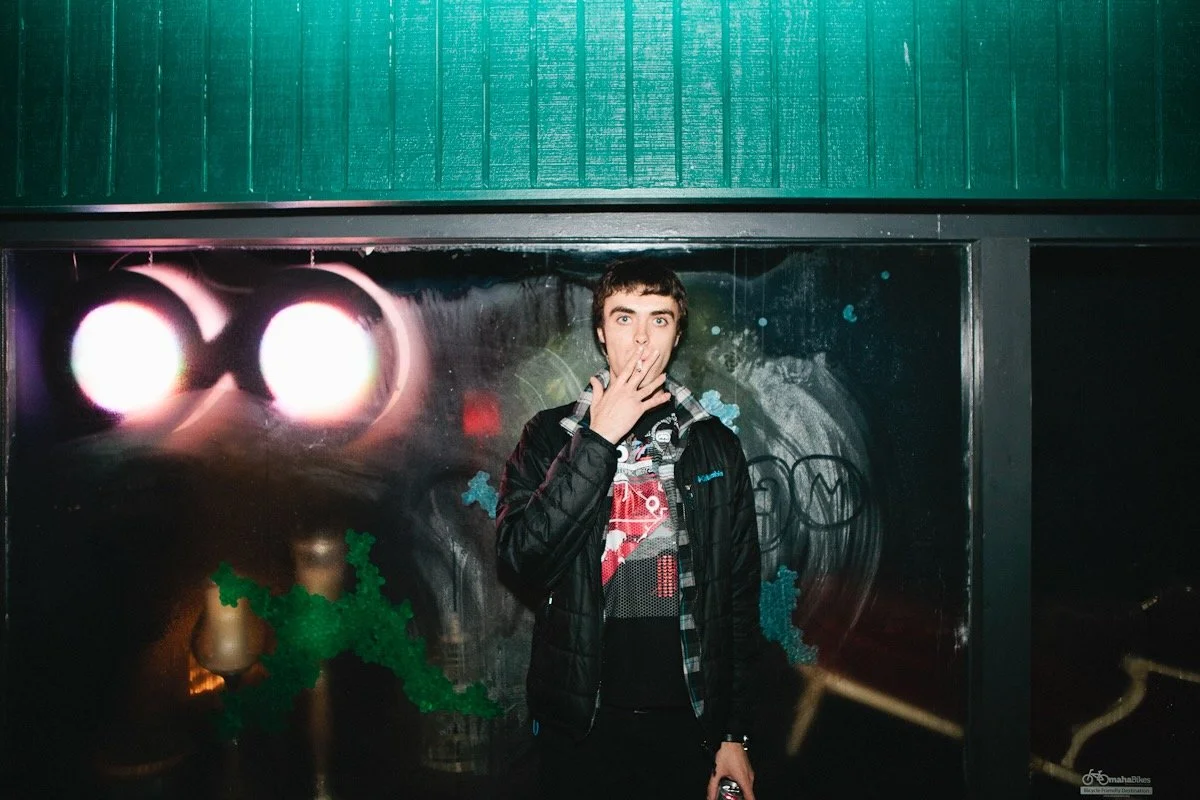
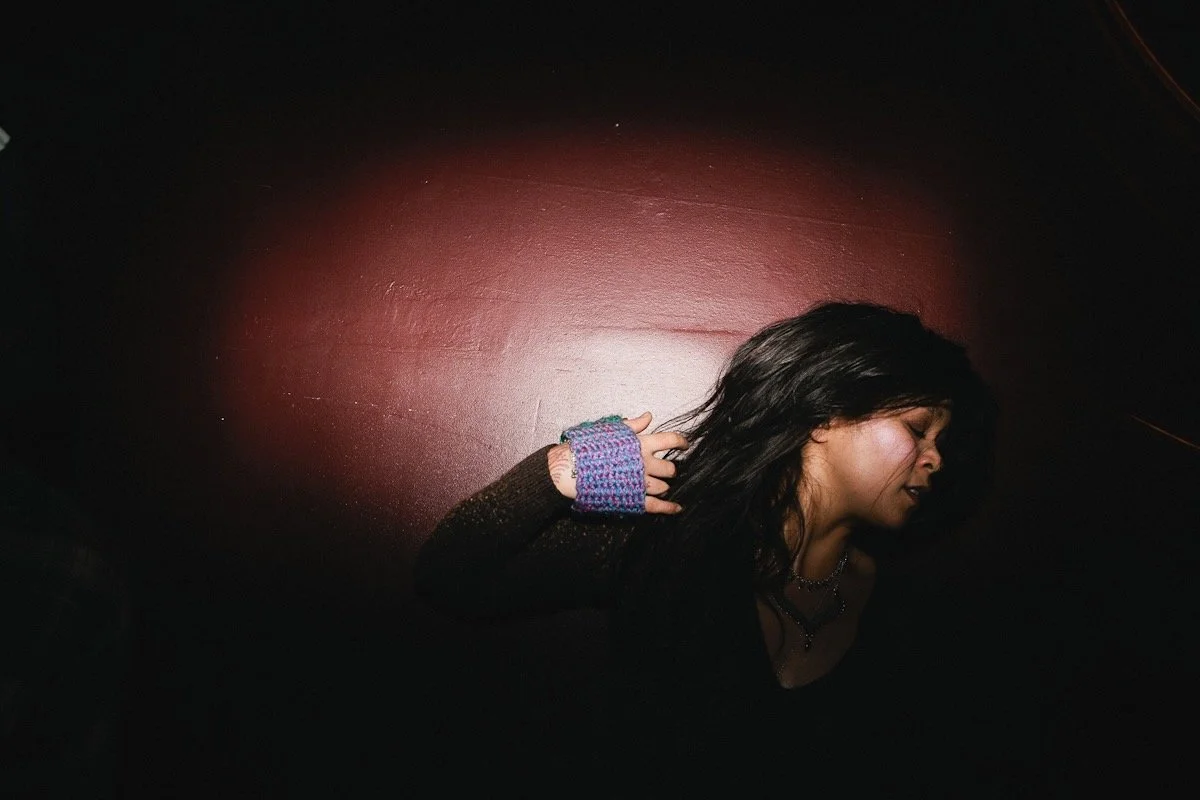
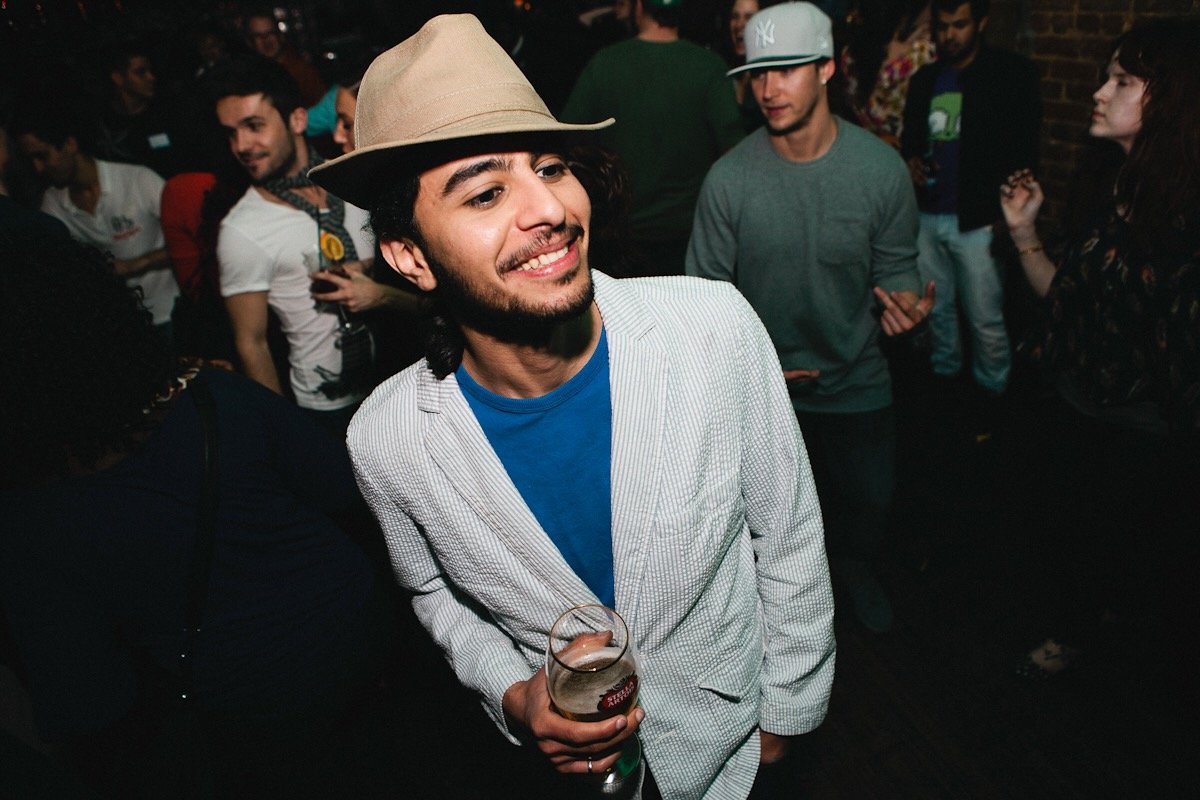
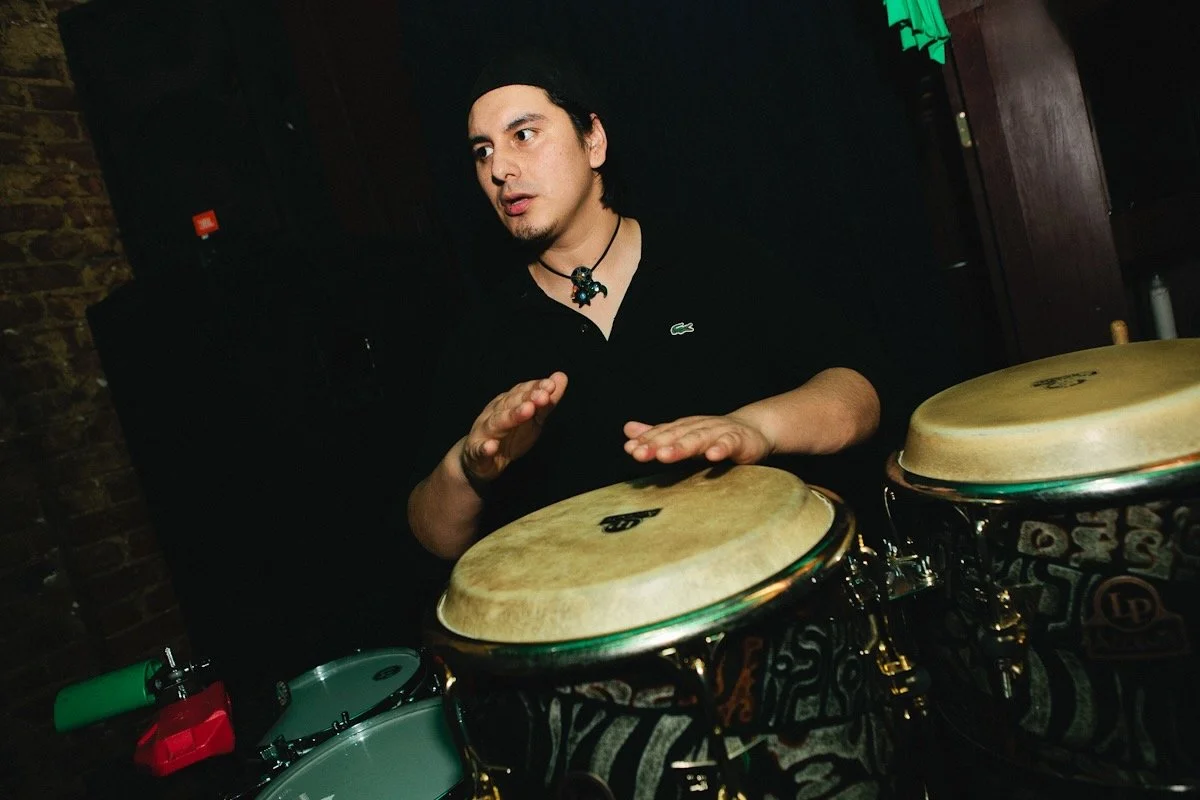
A private session — an intimate Q&A or music-making workshop between the visiting artist and local musicians I'd personally invited. This was the real value exchange. Local artists got to sit across from someone like King Britt, Peanut Butter Wolf, DJ Spinna, or members of The Rapture and The Faint and have a genuine creative conversation.
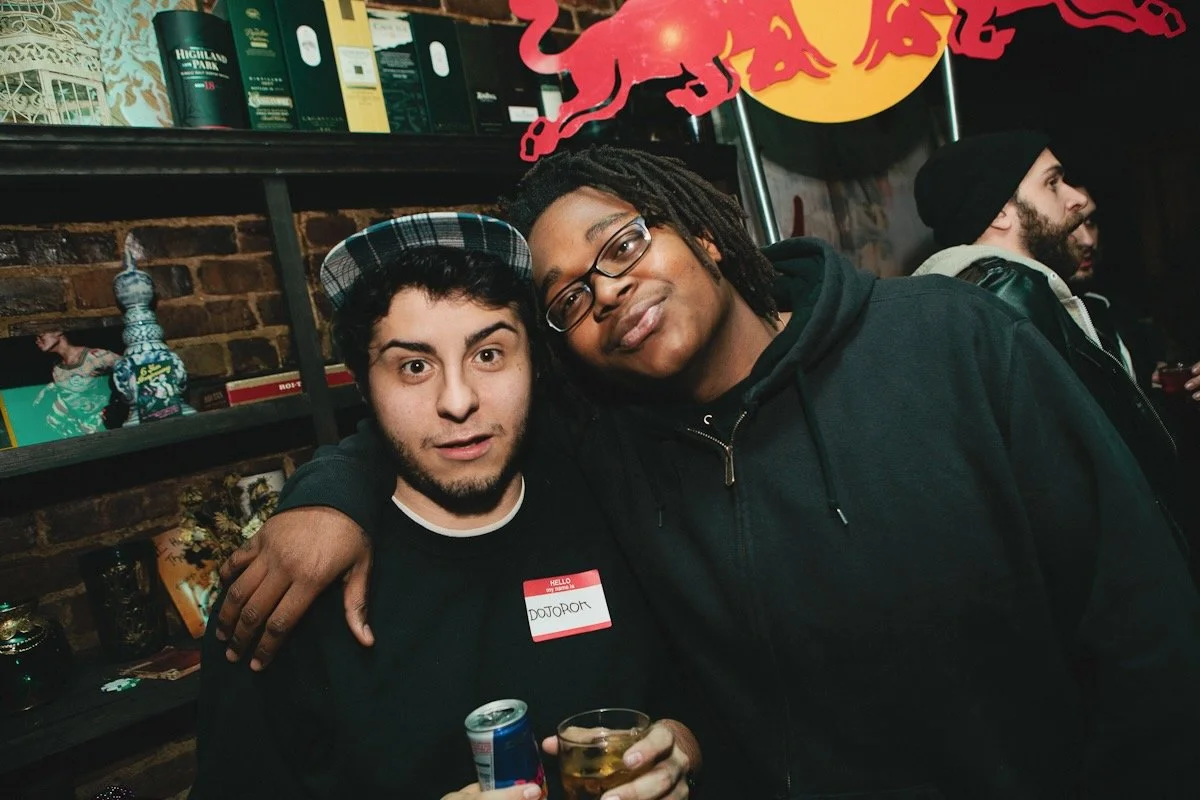
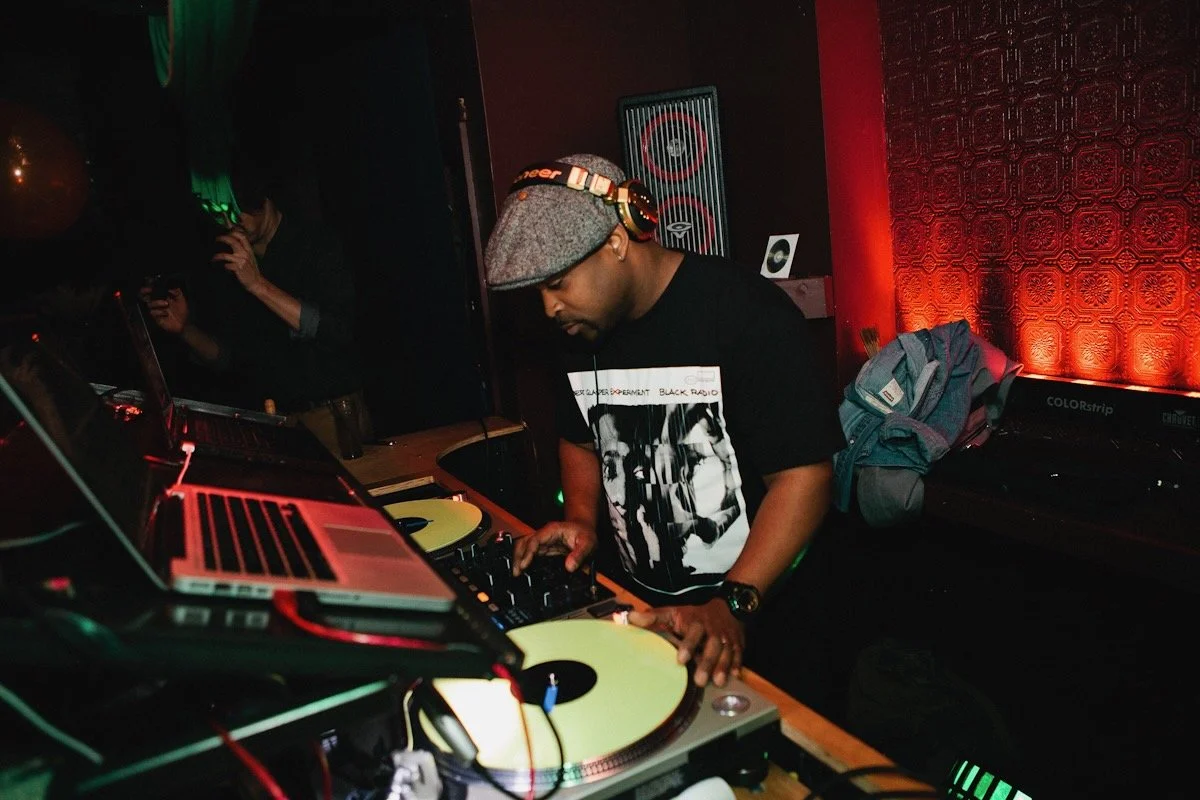
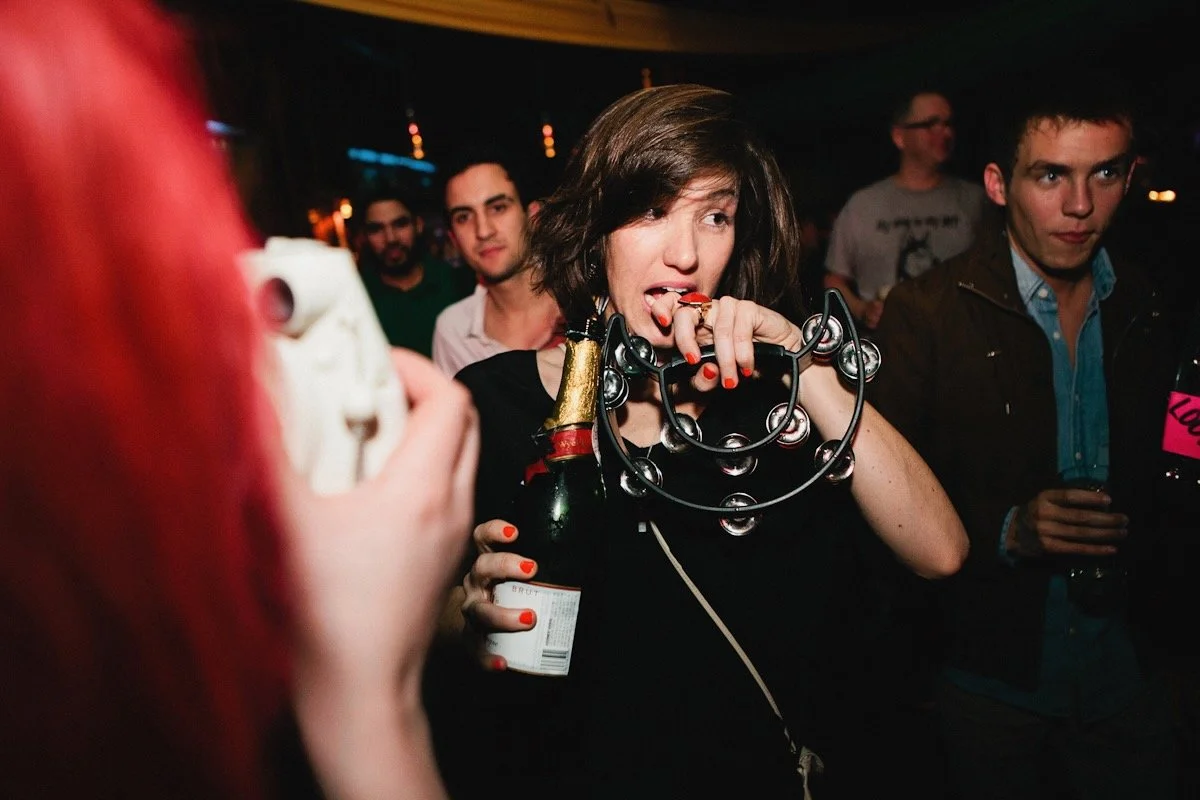
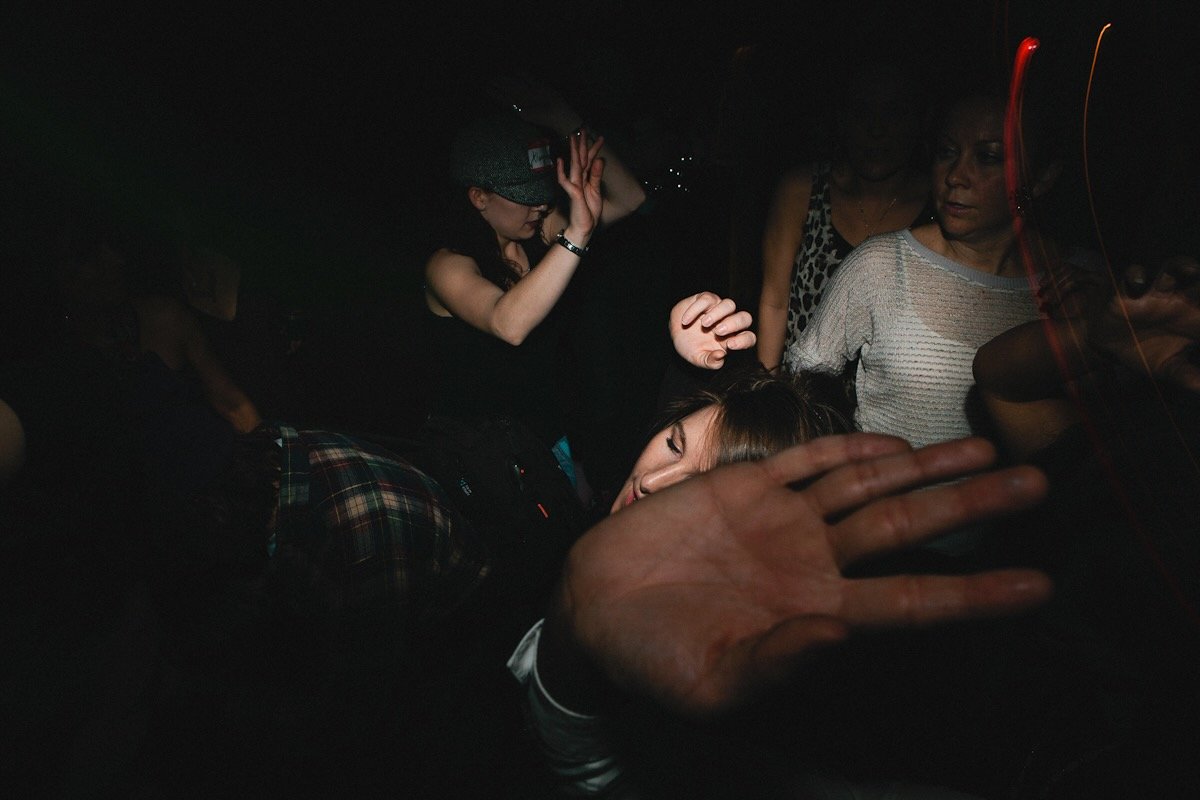
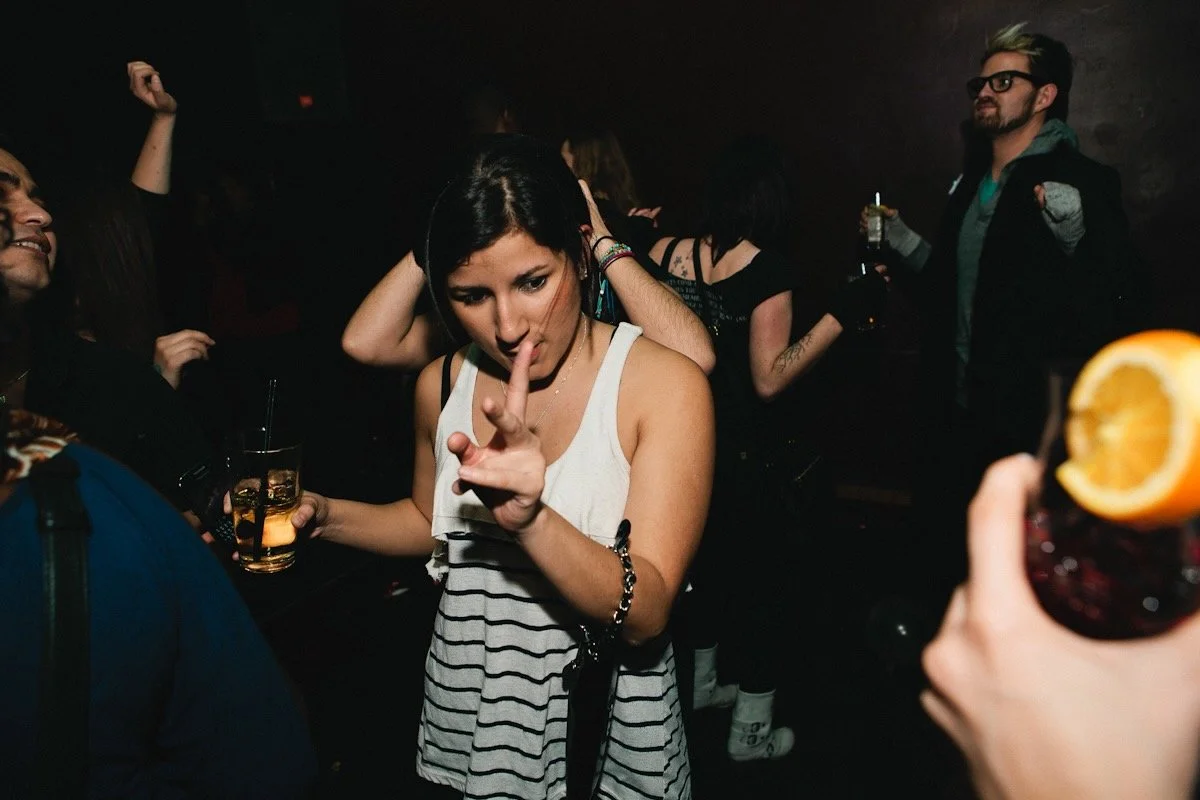
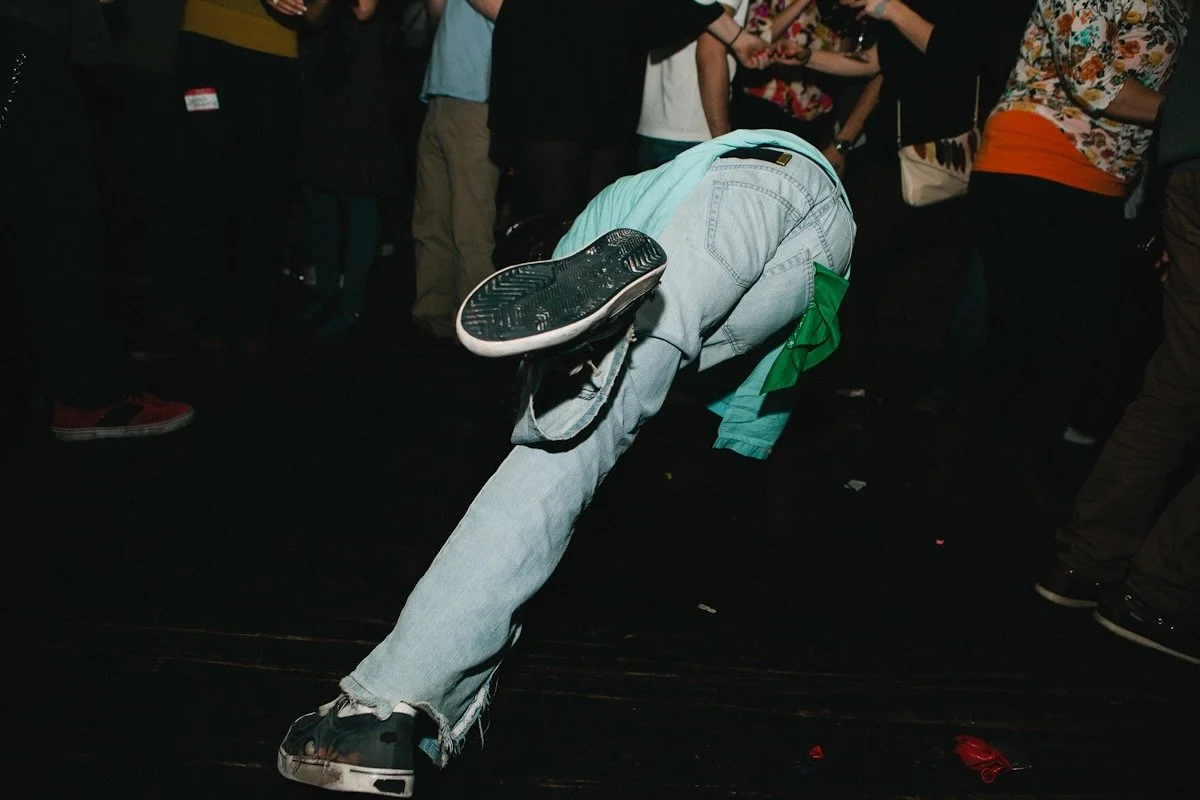
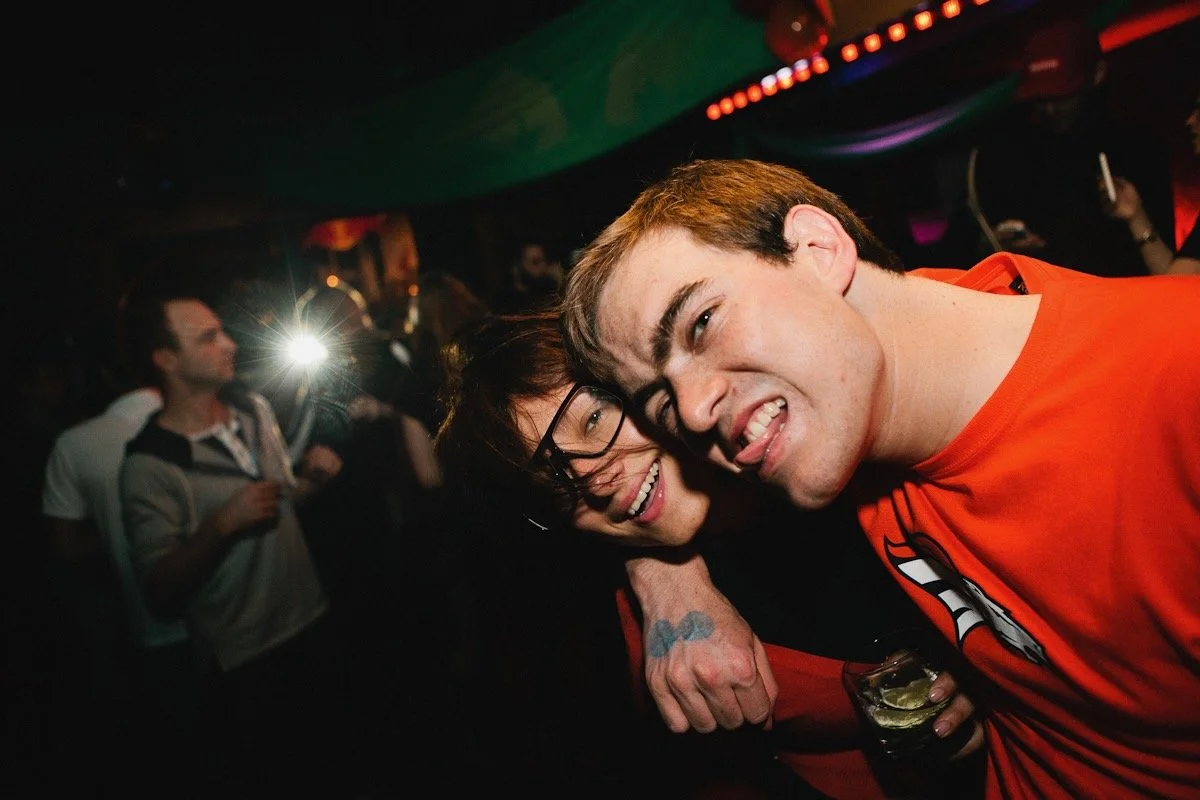
A public event — a performance that brought the visiting artist together with the local community. This was the visible part. But it wasn't a “Red Bull presents” event. It was local promoters throwing a show with support from Red Bull.
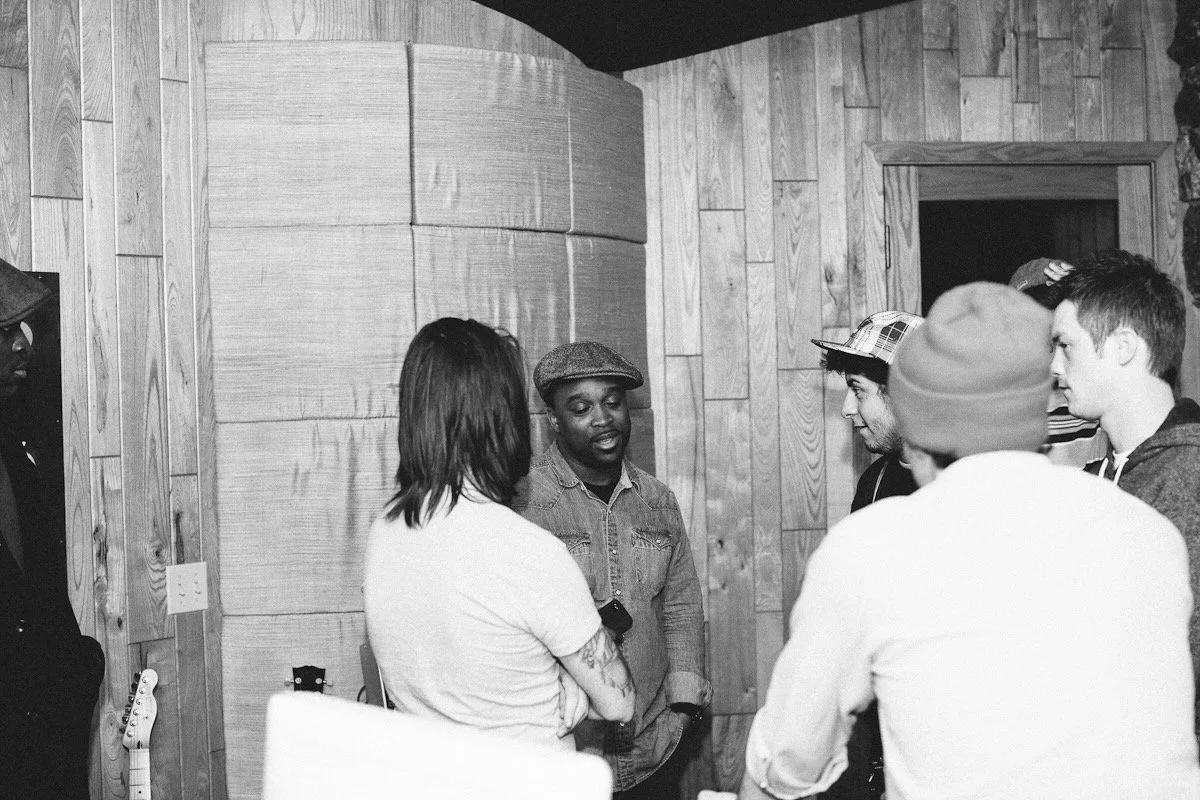
Follow-up — after the experience, my job was to stay connected with the local artists who attended and encourage them along the lengthy RBMA application process. This was relationship work, not sales work. You couldn't pressure someone into writing a compelling application. You had to make them want it because of what they'd experienced.
The whole thing was built on personal relationships, not marketing funnels. I wasn't blasting emails to a list. I was calling people. Sending Myspace messages (this was 2005 — Facebook was barely a year old). Meeting people for coffee. Going to their shows. Building trust over months and years so that when I said, "You should check this out," they believed me.
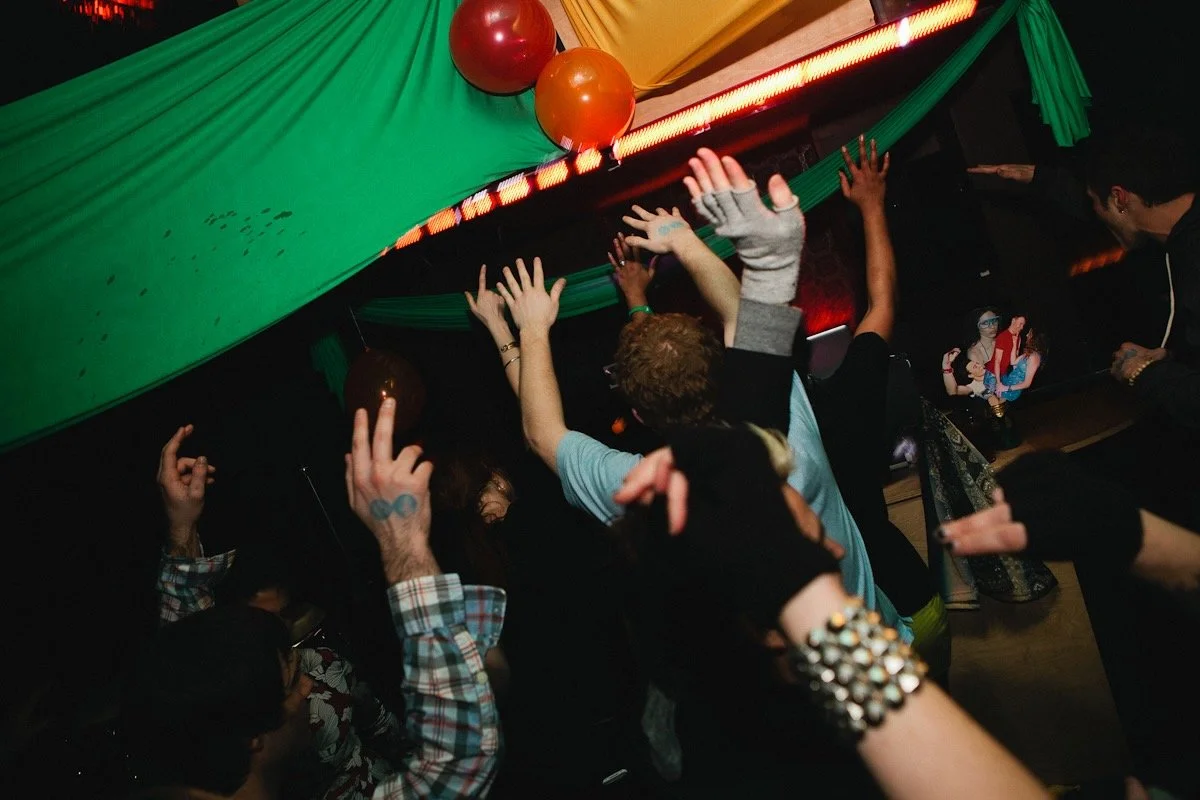
My takeaways.
After six years inside this machine, here's what stuck with me — and what I still apply to everything I do:
1. Authenticity isn't a strategy. It’s instinctive.
Every choice — who to recruit, what events to produce, how visible the brand should be — ran through one unspoken ethos: What do genuinely cool tastemakers do when they’re being natural? What would Flying Lotus do?
And the funny thing is — the more outward you were about these conversations, the less cool you were. So you instinctively ingrained it into what you did, because you were supposed to be a “Flying Lotus.”
2. Invest in people, not impressions.
Red Bull didn't measure my success by how many people saw a logo. It was by the quality of the relationships I was building and whether those relationships led to genuine applications. Depth > reach. That's an insight I've carried into every business I've built since.
4. Give tastemakers autonomy.
Red Bull trusted me — a 20-year-old kid from Omaha — to represent their global brand. That sounds insane. But it was strategic. They'd vetted me. They'd trained me. And they knew that the moment they started micromanaging my events, they would lose what made them work: the feeling that they were a cultural experience, not a manufactured brand placement.
5. The long game always wins.
I was in the program for seven years. Seven years of relationship-building in one mid-sized American city. Red Bull was willing to invest that kind of time because they understood that cultural credibility compounds. Each year, the artists I brought in were more impressive. Each year, the events drew bigger crowds. Each year, the local music community trusted the RBMA brand a little more. You can't buy that in a single campaign cycle.
How this applies now.
RBMA closed up shop in 2019. But the principles behind it are still relevant. If anything, they matter more now — in an era when every brand has access to the same AI tools, the same paid media platforms, and the same templated content strategies.
The brands that win in the next decade won't be the ones with the biggest ad budgets. They'll be the ones that know how to actually participate in the communities they're trying to reach. The ones willing to invest in real relationships instead of optimising for impressions. The ones that understand the difference between being present in a culture and exploiting it.
Red Bull taught me that when I was 20. I'm still applying it at 40.